Auto Future Insights

Explore the Future of Mobility and Innovation

Breaking Down the Latest Battery Technologies in 2024’s EVs

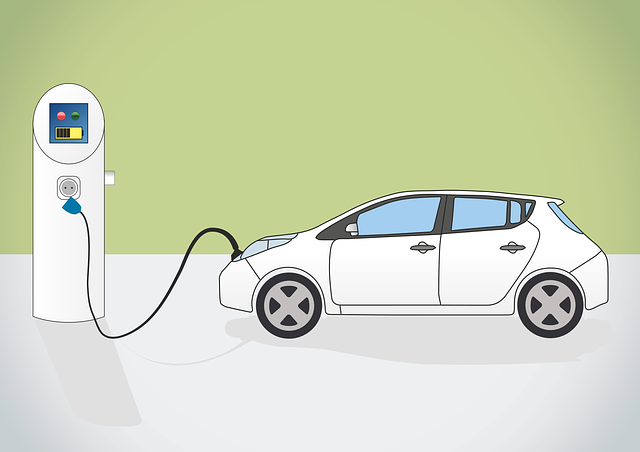
As we progress further into the era of electric vehicles (EVs), the pivotal role of battery technology has never been more critical. The advancements in 2024 have marked a significant step forward in making EVs more accessible, reliable, and efficient. This article explores the latest breakthroughs in battery technology, focusing on charge times, lifespan, and capacity, which are essential factors in the widespread adoption of EVs.

Improved Charge Times

One of the most notable advancements in 2024’s EV battery technology is the reduction in charge times. Manufacturers have increasingly adopted ultra-fast charging technologies, enabling batteries to charge much faster than ever before. For instance, new lithium-ion batteries, enhanced with graphene-based additives, allow for charge rates up to 350 kW. This development means that vehicles like the Tesla Model S can now be charged to 80% in just 15 minutes, significantly down from previous times. Such improvements not only enhance convenience but also alleviate one of the major concerns of potential EV buyers: charging wait times.

Extended Battery Lifespan

Longevity in battery technology has also seen remarkable improvements. The introduction of solid-state batteries in mainstream models by companies like Toyota and BMW in 2024 has been a game-changer. These batteries utilize a solid electrolyte instead of the traditional liquid lithium-ion solution, which not only makes them safer by reducing the risk of fires but also extends their lifespan. Current estimates suggest that these new batteries can last up to 30% longer than their predecessors, with many guaranteed for over 1 million miles of use. This enhancement reduces the total cost of ownership and environmental impact, as fewer batteries need to be produced and recycled.

Increased Energy Capacity

Enhancing energy capacity while maintaining or reducing the physical size of batteries is another critical area of focus. In 2024, several EVs have debuted with batteries boasting higher energy densities. Advances in cathode and anode materials have allowed manufacturers to pack more power into the same space. For example, the use of nickel-rich cathodes and silicon-dominant anodes has led to a 20% increase in energy density compared to earlier versions. This improvement translates into longer driving ranges—some new models now offer ranges exceeding 400 miles on a single charge, pushing EVs into a new realm of practicality for long-distance travel.

Conclusion

The year 2024 has been pivotal for electric vehicle technology, with significant advancements in battery technology at the forefront. Faster charging times, longer lifespans, and greater energy capacities are not just incremental improvements; they are transformative changes that address many of the limitations previously associated with EVs. As these technologies continue to evolve and scale, the future of transportation looks increasingly electric, promising a cleaner, more sustainable mode of mobility that aligns with global environmental goals.

2024 Sedan Showdown: Comparing the Top Models for Performance and Comfort

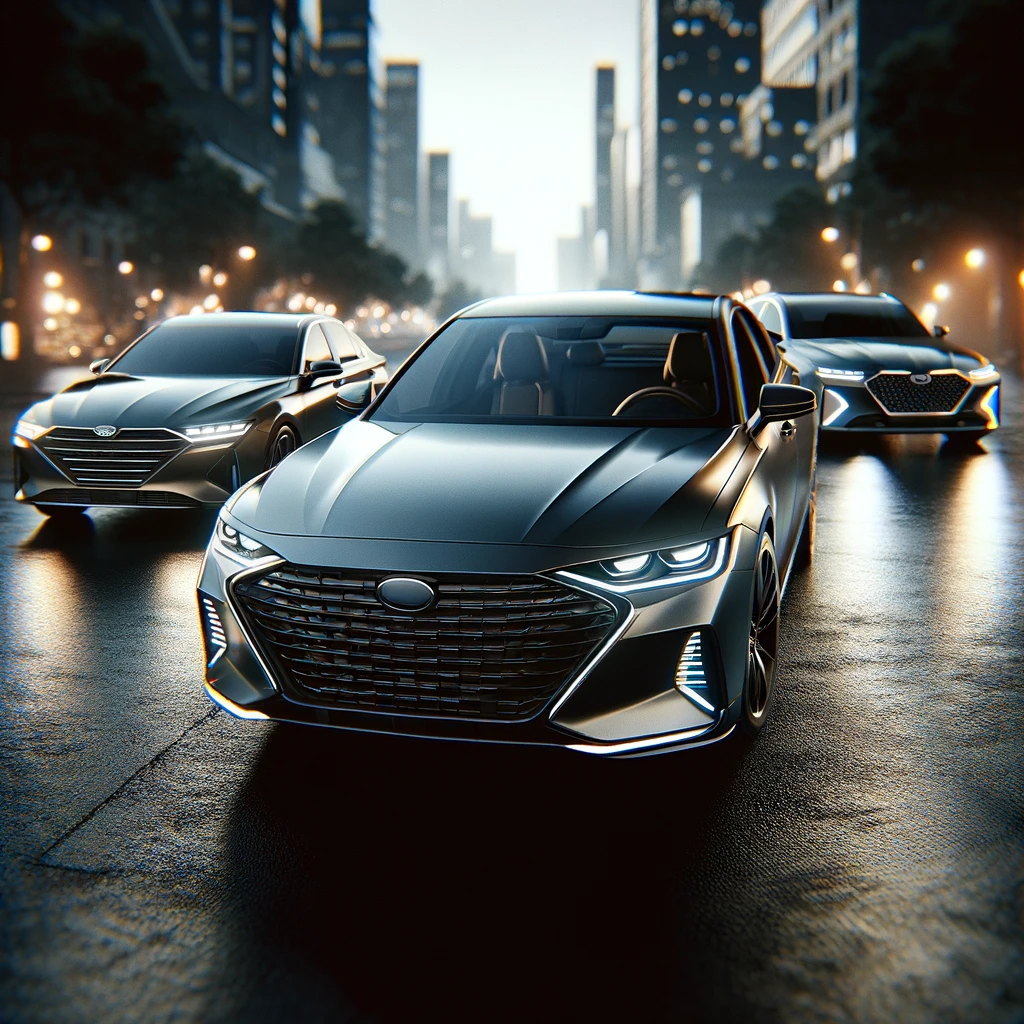
As the sedan market continues to evolve, 2024 has brought some of the most compelling models to the forefront. This year’s lineup offers a mix of sleek aesthetics, cutting-edge technology, and impressive performance metrics. We delve deep into the attributes that matter most—performance and comfort—to help you decide which sedan deserves a spot in your garage.

1. Performance Metrics

a. Horsepower and Acceleration: The 2024 sedan models boast a wide range of horsepower, from fuel-efficient models hovering around 150 hp to high-performance variants exceeding 300 hp. For instance, the Acura TLX Type S and the BMW 330i lead the pack in the sports sedan category, offering robust engines that deliver thrilling acceleration and smooth highway passing capabilities.

b. Handling and Drive Quality: Handling characteristics vary significantly among models. The Mercedes-Benz C-Class features adaptive suspension systems that enhance ride quality over varied terrains, offering a balance between sportiness and comfort. Conversely, the Toyota Camry remains a favorite for those preferring a softer, more forgiving ride, suitable for long drives.

2. Comfort and Interior Amenities

a. Seating and Ergonomics: Comfort is paramount in sedans, and manufacturers have focused on ergonomic designs that support long journeys. The Volvo S60, known for its commitment to comfort, provides some of the most supportive and plush seating in the class. Features like adjustable lumbar support, memory settings, and heated seats are standard across most models in this segment.

b. Cabin Noise Levels: Cabin tranquility is a critical aspect of comfort. The Lexus ES stands out with its near-silent cabin, thanks to its excellent noise isolation technologies. Sound-dampening materials and active noise cancellation are utilized to create a serene driving environment, allowing drivers and passengers to enjoy conversation or music without the intrusion of road or wind noise.

3. Technology and Infotainment

Modern sedans are equipped with state-of-the-art infotainment systems. Touchscreens have become larger and more intuitive, with models like the Audi A4 featuring a 10.1-inch display that supports natural voice commands and gesture control. Connectivity features, including Apple CarPlay and Android Auto, are seamlessly integrated to enhance the driving experience.

4. Safety Features

Safety remains a top priority, and advanced driver-assistance systems (ADAS) are more refined in 2024 models. The Honda Accord, for example, includes standard features such as adaptive cruise control, lane-keeping assist, and collision mitigation braking. These technologies not only protect occupants but also contribute to a more relaxed driving experience.

5. Conclusion

Choosing the right sedan in 2024 depends on prioritizing what matters most to you. If performance is your top criterion, models like the BMW 330i and Acura TLX Type S offer exhilarating rides with high horsepower and superior handling. For those valuing comfort over sheer power, the Volvo S60 and Lexus ES provide luxurious interiors and smooth rides suited for longer commutes.

Whichever model you lean towards, the current market offers a blend of technology, safety, and performance that can satisfy a wide range of preferences and needs. As sedans continue to adapt and incorporate new features, the choices only get more exciting for car enthusiasts.