Recycling Solutions for Electric Vehicle Batteries – Sustainable Options
Recycling Solutions for EV Batteries
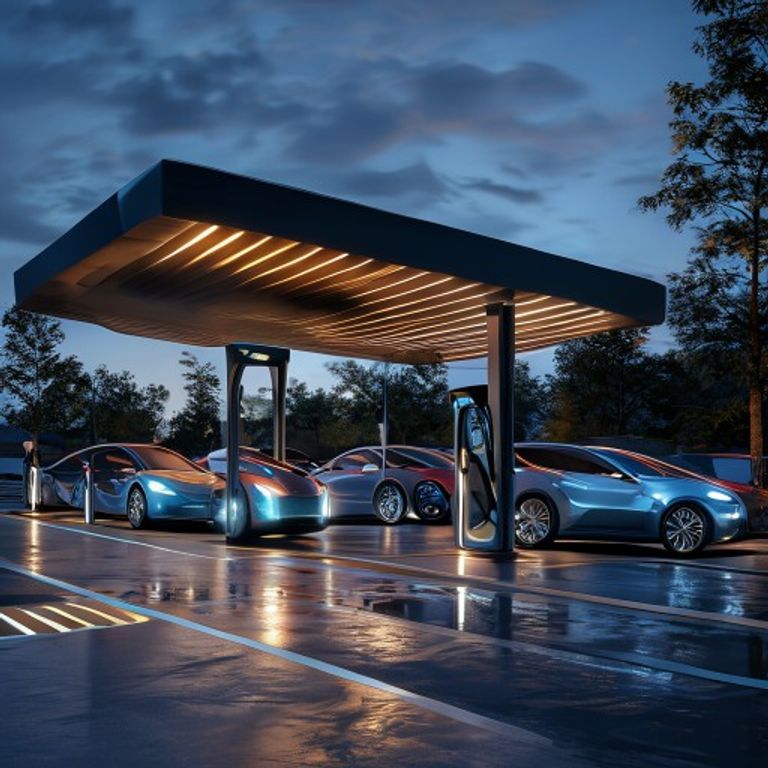
Electric vehicles (EVs) are seeing rapid uptake as a sustainable mode of transportation. However, one concern surrounding EVs is the disposal of their batteries once they reach the end of their lifespan. Fortunately, there are innovative recycling solutions for EV batteries that can help reduce waste and environmental impact.
Repurposing Materials
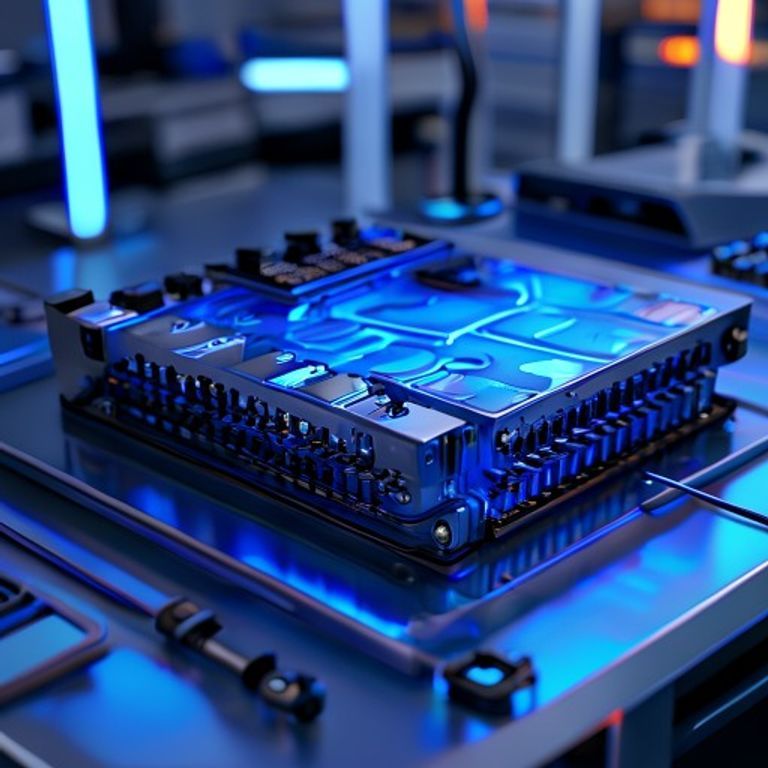
One way to recycle EV batteries is by repurposing their materials for other products. Lithium-ion batteries, commonly used in EVs, contain valuable resources such as lithium, nickel, and cobalt. These materials can be extracted and reused in new batteries or other applications, reducing the need for mining of raw materials.
Reconditioning Batteries
Another approach to recycling EV batteries is reconditioning them for a second life. Even after they are no longer suitable for use in vehicles, EV batteries can still have significant capacity left. By reconditioning these batteries, they can be used for energy storage in buildings, homes, or renewable energy systems.
Second Life Applications for EV Batteries
Energy Storage
One of the primary second life applications for EV batteries is energy storage. As renewable energy sources like solar and wind power become more prevalent, the need for efficient energy storage solutions is increasing. Repurposed EV batteries can store excess energy generated by these sources and release it when needed, reducing reliance on non-renewable energy.
Grid Stability
EV batteries can also be used to help stabilize the electrical grid. By storing energy during times of low demand and releasing it during peak times, repurposed EV batteries can help balance the supply and demand of electricity, reducing the risk of blackouts and improving overall grid reliability.
Mobile Power Sources
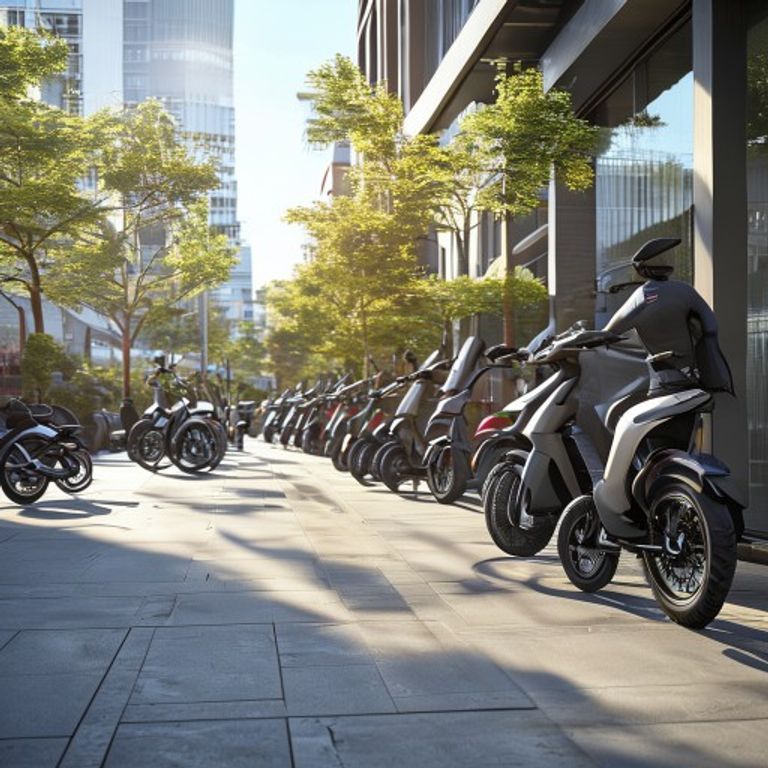
Additionally, second life EV batteries can be used as mobile power sources for a variety of applications. From powering electric bicycles and scooters to providing electricity in remote locations or emergency situations, repurposed EV batteries offer a convenient and sustainable energy solution.
Conclusion
Recycling solutions for EV batteries are essential for promoting sustainability and reducing environmental impact. By repurposing materials and reconditioning batteries for a second life, we can extend the lifespan of these critical components and reduce waste. Second life applications for EV batteries, such as energy storage, grid stability, and mobile power sources, offer innovative solutions for a more sustainable future. It is crucial for manufacturers, policymakers, and consumers to support these recycling efforts to maximize the benefits of EV technology while minimizing its environmental footprint.