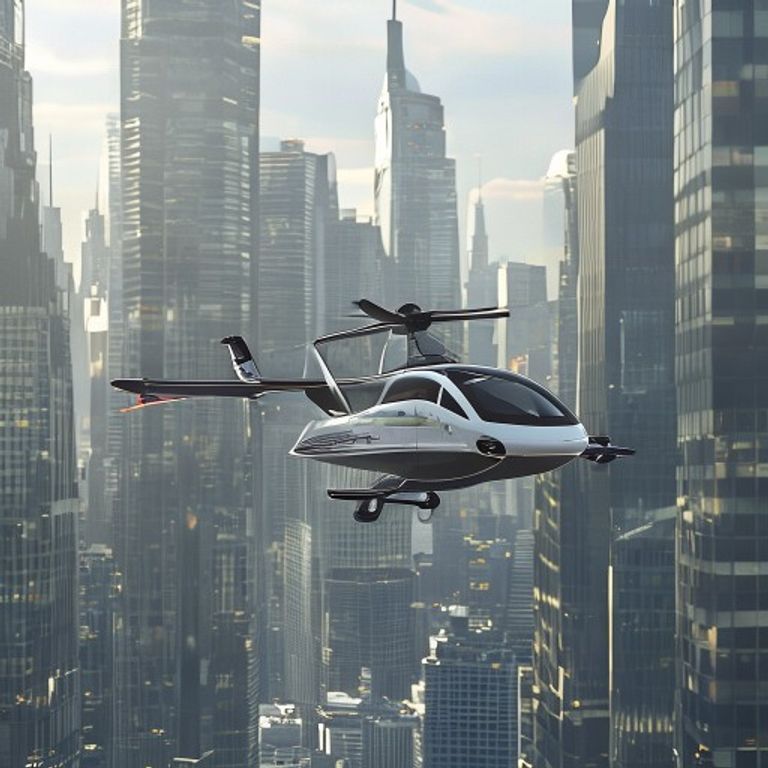
The Future of Transportation: Flying Taxis
As we look ahead to the year 2030, the idea of flying taxis becoming a reality is no longer just a distant dream. Urban Air Mobility solutions are rapidly taking shape, promising a revolution in how we move around in our cities. From cutting down commute times to reducing carbon emissions, flying taxis have the potential to transform urban transportation as we know it. This article takes a closer look at flying taxis, examining the technology, challenges, and opportunities that lie ahead.
Reshaping Urban Transportation
Instead of sitting in traffic for hours, imagine stepping into a flying taxi and travelling above the city streets. That prospect is moving closer to reality, driven by advances in technology and growing demand for more efficient and sustainable transportation. Flying taxis, also known as electric vertical take-off and landing (eVTOL) aircraft, have the potential to reshape urban transportation by providing a faster, more convenient, and environmentally friendly way to get around.
Electric Propulsion Technology
One of the key enablers of flying taxis is electric propulsion technology. Unlike traditional helicopters, eVTOL aircraft are powered by electric motors, which are not only quieter but also more energy-efficient. This technology allows flying taxis to take off and land vertically, eliminating the need for runways and making them ideal for navigating dense urban environments. With advancements in battery technology, eVTOL aircraft can now travel longer distances and carry more passengers, making them a viable alternative to traditional modes of transportation.
Challenges and Opportunities
While the potential benefits of flying taxis are clear, there are also significant challenges that must be addressed before they can become a mainstream mode of transportation. Regulatory hurdles, safety concerns, infrastructure limitations, and public acceptance are just a few of the obstacles that need to be overcome. However, with the rapid advancements in technology and the growing interest from both industry stakeholders and government entities, the future of flying taxis looks promising.
Creating Smart Cities
One of the biggest opportunities that flying taxis present is the potential to create smarter, more connected cities. By integrating flying taxis into existing transportation networks, cities can reduce congestion, improve air quality, and enhance overall quality of life for their residents. Smart city initiatives, such as urban air mobility hubs and autonomous flying taxi services, are already being piloted in cities around the world, paving the way for a future where flying taxis are a common sight in the skies.
What Comes Next
Looking towards 2030 and beyond, the shape of urban transportation is already becoming clear. Flying taxis point to a future where mobility is more sustainable, efficient, and accessible. Real challenges remain, but the potential benefits are hard to ignore. With continued innovation and collaboration between industry and regulators, eVTOL aircraft could become a routine part of how cities move.