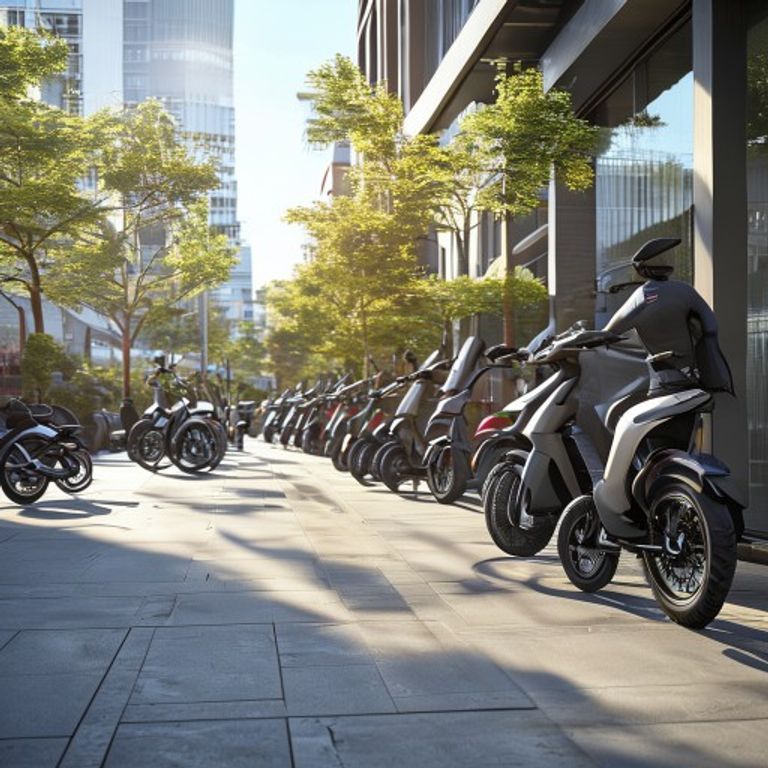
Micromobility Integration: Last-Mile Solutions in Tomorrow’s Cities
As cities around the world grow and expand, the need for sustainable and efficient transportation solutions becomes increasingly critical. Micromobility integration offers a promising solution to the challenges of last-mile connectivity in urban areas. This innovative approach leverages small, lightweight vehicles such as electric scooters and bikes to provide convenient and environmentally friendly transportation options for short trips. This article looks at the benefits of micromobility integration and how it can reshape the way we move around in tomorrow’s cities.
The Rise of Micromobility
The concept of micromobility has gained significant traction in recent years, thanks to advancements in technology and changing consumer preferences. Companies like Lime and Bird have popularized electric scooters as a convenient and affordable mode of transportation for short distances. These vehicles can be easily rented through mobile apps, making them a popular choice for urban commuters looking to avoid traffic congestion and reduce their carbon footprint.
Benefits of Micromobility
- Reduces traffic congestion
- Lowers carbon emissions
- Promotes a healthier lifestyle
- Provides cost-effective transportation options
Challenges and Opportunities
While micromobility offers a range of benefits, it also presents challenges that need to be addressed for successful integration into urban transportation systems. Issues such as safety concerns, infrastructure limitations, and regulatory hurdles can hinder the widespread adoption of micromobility solutions. However, with proper planning and investment, cities can leverage the opportunities presented by micromobility to create more sustainable and livable urban environments for their residents.
Addressing Safety Concerns
One of the main challenges of micromobility integration is ensuring the safety of riders and pedestrians. Accidents involving electric scooters and bikes have raised concerns about the need for better infrastructure, education, and regulations to protect all road users. By implementing dedicated bike lanes, improving signage, and enforcing speed limits, cities can create a safer environment for micromobility users and reduce the risk of accidents.
Future Trends and Innovations
As technology continues to advance, the future of micromobility integration looks promising. Innovations such as electric bikes with built-in GPS systems, self-driving scooters, and smart charging stations are transforming the way we think about urban transportation. By embracing these trends and investing in sustainable mobility solutions, cities can create a greener, more efficient transportation network that meets the needs of their growing populations.
Smart City Integration
Smart city initiatives that leverage data and technology to improve transportation infrastructure are central to the successful integration of micromobility solutions. By incorporating real-time data analytics, IoT sensors, and smart mobility platforms, cities can optimize traffic flow, reduce congestion, and enhance the overall urban experience for residents and visitors.
Conclusion
Micromobility integration offers a promising solution to the last-mile challenges facing tomorrow’s cities. By leveraging small, lightweight vehicles and innovative technology, cities can create more sustainable and efficient transportation networks that benefit both the environment and the community. While there are challenges to overcome, the opportunities presented by micromobility are too significant to ignore. As we look to the future, embracing these trends and innovations will be key to creating vibrant, livable cities for generations to come.
