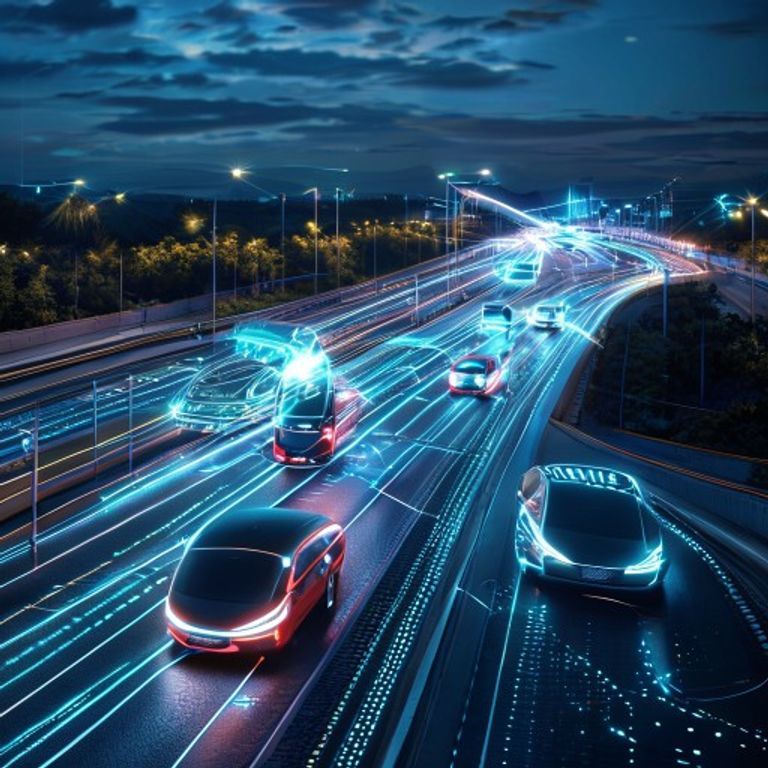
Smart Roads: The Foundation of Future Transportation
In the age of rapid technological advancement, the concept of smart roads and vehicle communication is reshaping the way we travel. Smart roads, equipped with sensors and communication systems, are paving the way for a more efficient and safe transportation infrastructure. These intelligent roadways have the potential to enhance traffic management, reduce accidents, and improve overall travel experience for drivers and passengers alike.
The Benefits of Vehicle-to-Infrastructure Communication
Vehicle-to-infrastructure communication allows vehicles to interact with the smart road infrastructure, providing real-time data on traffic conditions, road hazards, and weather information. This seamless communication enables vehicles to make informed decisions, such as adjusting speed or route, to optimize travel time and safety. The integration of vehicle-to-infrastructure communication can lead to reduced congestion, improved fuel efficiency, and a more sustainable transportation system.
Enhancing Road Safety Through Connectivity
One of the key advantages of smart roads and vehicle communication is the enhancement of road safety. By enabling vehicles to communicate with the infrastructure and with each other, potential hazards can be identified and addressed proactively. For example, in the event of an accident or road closure, vehicles can be alerted in real-time, allowing for swift and coordinated responses to mitigate traffic disruptions and ensure the safety of all road users.
Improving Traffic Flow and Efficiency
Smart roads have the ability to optimize traffic flow and improve overall transportation efficiency. By leveraging data from connected vehicles and infrastructure sensors, traffic signals can be adjusted in real-time to reduce congestion and minimize delays. This dynamic traffic management system not only enhances the travel experience for commuters but also contributes to environmental sustainability by reducing emissions from idling vehicles.
Enabling Autonomous and Connected Vehicles
The evolution of smart roads and vehicle communication is paving the way for the widespread adoption of autonomous and connected vehicles. These advanced technologies rely on robust communication systems to navigate roadways, interact with other vehicles, and respond to changing road conditions. Smart roads are central to supporting the deployment of autonomous and connected vehicles, making transportation safer, more efficient, and ultimately, more accessible to all.
Conclusion
The integration of smart roads and vehicle communication represents a transformative shift in the way we think about transportation infrastructure. By harnessing the power of connectivity and data exchange, smart roads have the potential to enhance road safety, improve traffic flow, and enable the widespread adoption of autonomous and connected vehicles. As we continue to innovate and expand upon these technologies, the future of transportation promises to be more efficient, sustainable, and interconnected than ever before.
